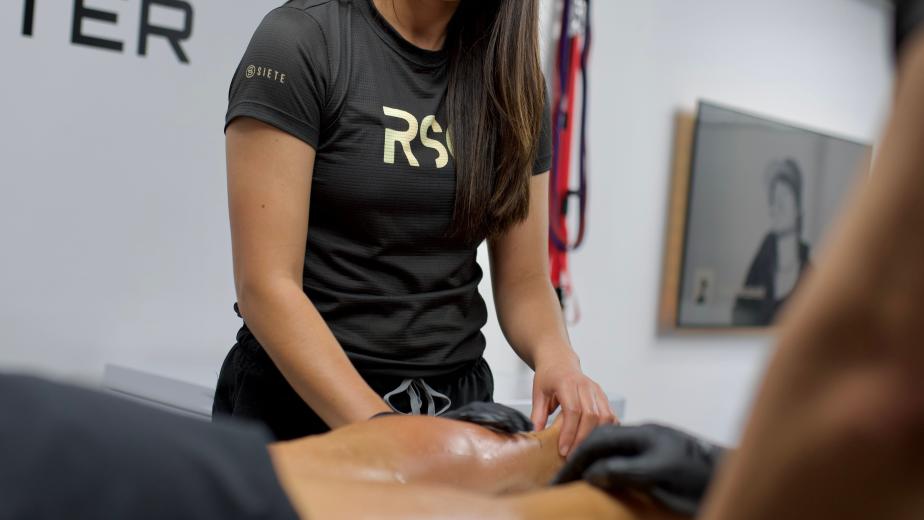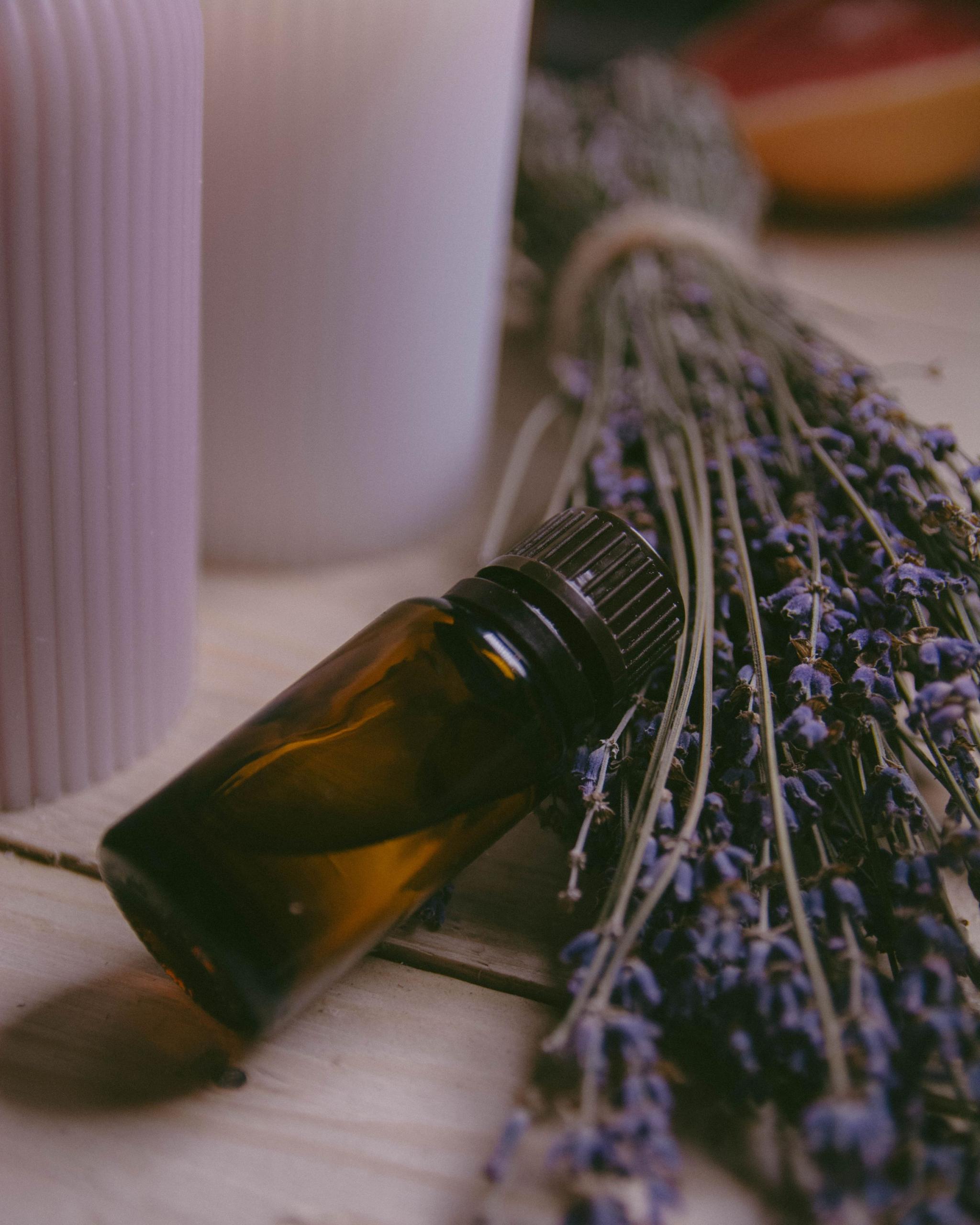
Of all the treatments on a spa menu, aromatherapy massage is the one that engages the senses most fully. It pairs the physical benefits of massage — improved circulation, eased muscle tension, a genuine reduction in stress — with the therapeutic effect of essential oils, absorbed through the skin and inhaled throughout the treatment. The result is a session that works on the body and the nervous system at the same time.
What Makes It “Aromatherapy”?
In an aromatherapy massage, pure essential oils are diluted into a neutral carrier oil — commonly sweet almond, jojoba, avocado, or macadamia oil — and applied using classic massage strokes. The blend is usually selected to match what the client needs that day: something calming before a stressful week, something energising after a long flight, or something targeted at muscular aches. The scent itself does real physiological work, influencing mood and the nervous system via the sense of smell, while the diluted oil is absorbed through the skin during the massage.
Aroma Oil vs. Aroma Hot Oil
The difference between a standard aromatherapy massage and an aroma hot oil massage comes down to temperature. In a hot oil treatment, the same natural oil blends are gently warmed — typically to somewhere in the region of 40–45°C — before being applied. The warmth relaxes muscle fibre more quickly than room-temperature oil, encourages blood flow to the surface of the skin, and amplifies the therapeutic effect of the essential oils themselves. It’s a natural choice for anyone carrying tension that a standard massage doesn’t quite reach, or who simply finds warmth deeply calming.
Choosing a Carrier Oil
The carrier oil matters almost as much as the essential oil blended into it. Each one brings its own texture, absorption rate, and skin benefit:
- Coconut oil — light, fast-absorbing, and naturally moisturising; a popular all-rounder
- Sweet almond oil — rich in vitamin E, gentle enough for sensitive skin
- Jojoba oil — closely resembles the skin’s own oils, so it absorbs without feeling greasy
- Macadamia oil — deeply nourishing, ideal for very dry or mature skin
- Arnica oil — traditionally used to ease muscle soreness and bruising
- Bio oil — a lighter, cosmetic-grade blend often chosen for scar and skin-tone support
Essential Oils — Qualities and Benefits
The essential oil is where the treatment is truly personalised. Below are some of the most widely used oils in aromatherapy massage, and what each is traditionally valued for:
- Lavender — the classic calming oil; eases stress and tension and supports better sleep
- Peppermint — cooling and invigorating; helps relieve headaches, muscle soreness, and mental fatigue
- Eucalyptus — clears the mind and airways; well suited to muscular aches and seasonal congestion
- Chamomile — gentle and soothing; calms anxiety and is kind to sensitive skin
- Rosemary — stimulating and clarifying; associated with mental alertness and easing muscle tightness
- Frankincense — grounding and anti-inflammatory; often used to support relaxation and deeper breathing
- Bergamot — an uplifting citrus note that helps balance mood (best avoided before sun exposure)
- Sandalwood — warm and woody; traditionally used to support focus and meditation
- Ylang Ylang — floral and relaxing; associated with easing tension and lifting mood
- Rose — soft and balancing; prized for its skin-nourishing and emotionally calming qualities
- Tea Tree — fresh and cleansing; valued for its purifying, antiseptic properties (used externally only)
- Cypress & Juniper Berry — crisp and grounding; often chosen to support circulation after a long day on your feet
- Lemon, Orange & Grapefruit — bright citrus oils used to energise and refresh when a session calls for an uplift rather than deep calm
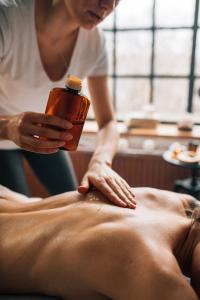
Whether you choose our Aromatherapy or Aroma Hot Oil treatment, every blend at Rak Thai is prepared with the same care we bring to every session — the right oil, the right pressure, and the time to properly unwind.