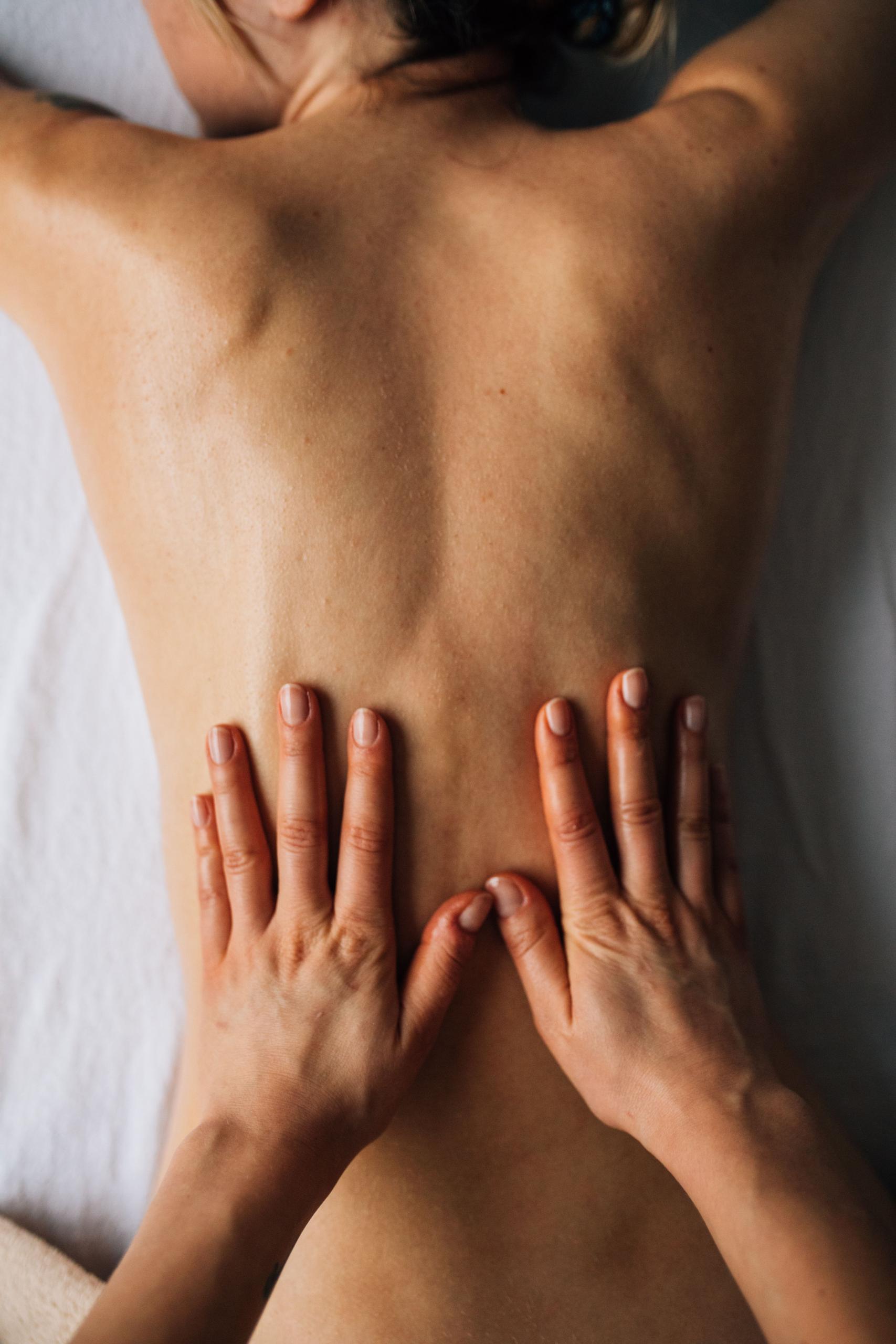
Swedish massage is, by most estimates, the most widely practised style of massage in the Western world — the gentle, gliding, full-body technique most people picture when they hear the word “massage.” Yet its true history is more tangled than the tidy origin story often repeated in spa brochures.
Per Henrik Ling and the Swedish Movement System
The name traces back to Per Henrik Ling (1776–1839), a Swedish fencing master, gymnast, and physical educator. In 1813, Ling founded Stockholm’s Royal Central Institute of Gymnastics, where he developed what became known as the Swedish Movement System — a structured method combining gymnastics and active and passive movement with manual techniques including friction, kneading, stroking, and clapping, intended to restore and maintain health. Ling’s own writings, however, never used the word “massage” to describe his methods, and his legacy is more accurately that of the “father of physical therapy” than the inventor of the massage strokes that now bear his country’s name.
The Overlooked Contribution of Johan Georg Mezger
The systematic naming of massage technique is generally credited to a different figure: Johan Georg Mezger (1839–1909), a Dutch physician. Mezger gave the now-familiar French names to the core massage movements — effleurage, petrissage, tapotement, and friction — and built a reputation successful enough to treat European nobility, including the future King Gustav V of Sweden. Historians believe that, sometime in the nineteenth century, Ling’s Swedish Movement System and Mezger’s massage technique were conflated in the English-speaking world, and the “Swedish” name stuck to the massage style even though much of continental Europe still refers to it simply as classic massage.
The Five Foundational Strokes
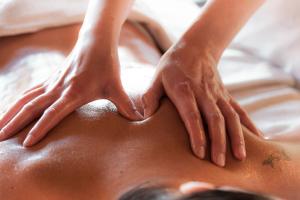
Whatever its true parentage, the technique that emerged is built around five core strokes, still taught in massage schools today:
- Effleurage — long, gliding strokes used to warm tissue and open a session
- Petrissage — kneading and lifting of muscle to release deeper tension
- Friction — small, deep, circulating movements targeting specific problem areas
- Tapotement — rhythmic tapping or percussion used to stimulate and energise
- Vibration — fine trembling or shaking movements applied to relax tissue
Crossing the Atlantic
Swedish massage reached North America in the 1850s, introduced by two American physicians, Dr. Charles Fayette Taylor and Dr. George Henry Taylor, who had studied movement therapy in Europe. From there, it steadily grew into the default massage style taught across the United States and, eventually, much of the world — valued for its accessibility, its adaptability to different pressures, and the clear physiological case that supports it: improved circulation, reduced muscle tension, and a measurable relaxation response.
A Foundation for Modern Massage
Today, Swedish massage functions as something like a common language for the profession — a foundation technique from which many other modern styles, including deep tissue and sports massage, have branched. Its five strokes remain the starting point for almost every massage therapist’s training, regardless of which specialised techniques they go on to learn.
Whether you’re new to massage or a regular visitor, our Swedish treatments at Rak Thai draw on this same century-and-a-half-old foundation — technique refined over generations, in service of a simple goal: helping you feel better.