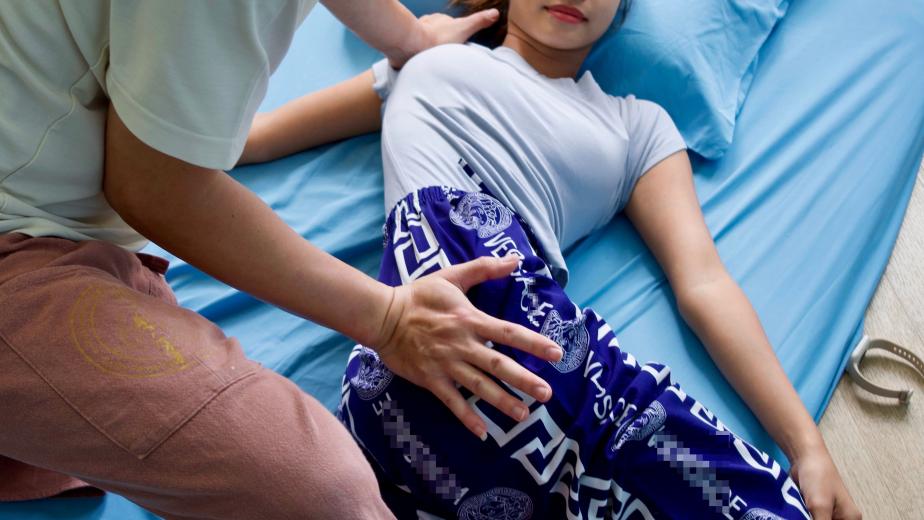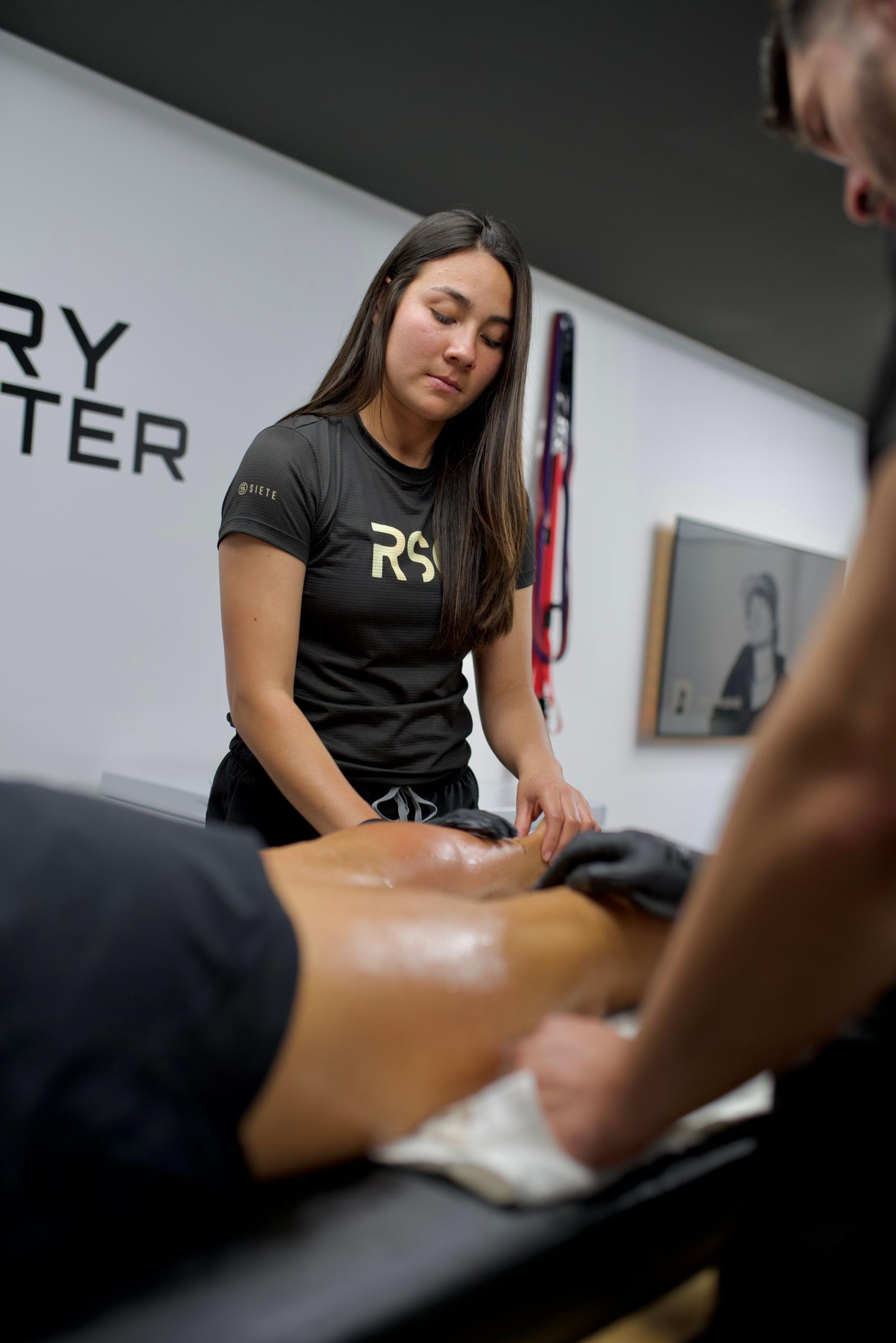
Massage has long since moved out of the “occasional treat” category and into the serious athlete’s training plan. Whether the goal is a faster recovery, a lower injury risk, or simply the ability to train again tomorrow, sports massage gives the body targeted, hands-on support that stretching and rest alone can’t always provide.
Why Athletes Build Massage into Training
The physiological case is straightforward. Intense activity causes microscopic muscle damage and a build-up of metabolic waste, including lactic acid, which contributes to the soreness felt in the day or two after a hard session. Massage increases local blood flow, which helps clear that waste more efficiently and speeds the delivery of oxygen and nutrients needed for repair. It also gives a therapist the chance to assess how a muscle is firing and moving — catching the small, early signs of imbalance or overuse before they become an injury that sidelines you.
Pre-Event Massage
Delivered shortly before competition or a big training session, pre-event massage uses brisk, energising strokes — rhythmic compression and lively stretching rather than slow, deep work — to increase blood flow, boost flexibility, and sharpen focus without leaving muscles feeling heavy. It suits activities with an explosive, high-intensity start: sprinting, football, weightlifting, and similar sports.
Post-Event Massage
After the whistle blows, the priority shifts to recovery. Post-event massage uses slower, gentler techniques to reduce cramping, ease soreness, and calm an overworked nervous system — ideal after marathons, cycling events, and any long, sustained effort.
Deep Tissue and Maintenance Massage
For the day-to-day demands of regular training, deeper, slower work targets the chronic tightness and small pockets of scar tissue that build up over months of repetitive movement — a familiar need for swimmers, weightlifters, and endurance athletes putting the same muscles through the same motion, week after week. Related techniques such as myofascial release and trigger-point therapy focus on specific points of restriction, restoring a fuller, more comfortable range of motion.
Matching Massage to Your Sport
Different sports place different demands on the body, and the right massage approach reflects that:
- Running & endurance sports — regular deep tissue and myofascial work to manage repetitive-strain tightness in the calves, hamstrings, and IT band
- Team & contact sports (football, rugby, netball) — a mix of pre-event activation and post-event recovery work around high-impact areas: quads, shoulders, and lower back
- Strength & weightlifting — deep tissue focus on the back, shoulders, and legs to manage heavy loading and support joint mobility
- Racquet sports (tennis, padel, squash) — targeted work on the forearm, shoulder, and rotator cuff to offset repetitive one-sided movement
- Swimming — attention to the shoulders, upper back, and neck, where repetitive overhead movement concentrates strain
- Cycling — focus on the lower back, hips, and quadriceps, alongside stretching to counter a fixed riding posture
Timing It Right
As a general guide, it’s best to avoid deep, intense massage in the 48 hours immediately before a major event, when muscles need to feel powerful rather than freshly worked. Post-event, massage can begin almost immediately and is often most effective within the first day or two, when it can meaningfully shorten recovery time. Ongoing maintenance massage, meanwhile, is typically scheduled weekly during heavy training blocks and can stretch to once a month during lighter periods.
From weekend runners to competitive athletes, our Sports and Deep Tissue treatments at Rak Thai are built to support wherever you are in your training — before the event, after it, and every session in between.